Knowing you can ask is half the comfort.
Psychologists have shown for decades that feeling in control makes situations less stressful — even when people never use the control they have. For hotels, a visible, easy way to ask matters to every guest, not just the ones with a problem.
of customers became disloyal after a high-effort service experience — against 9% after a low-effort one.
CEB/Dixon, 2016 · consultancy, mainly call centresrefunds were claimed out of about 8,500 guests in Hampton Inn's first satisfaction-guarantee trial — yet about half of guests say the guarantee sways their choice.
Hilton, 2014of active social-media users in South Africa use WhatsApp — the country's most used platform.
Meltwater/We Are Social, 2025of travellers preferred SMS, WhatsApp or email links to reach a property; just 4% chose an app or QR code.
eviivo, 2025 · booking-software company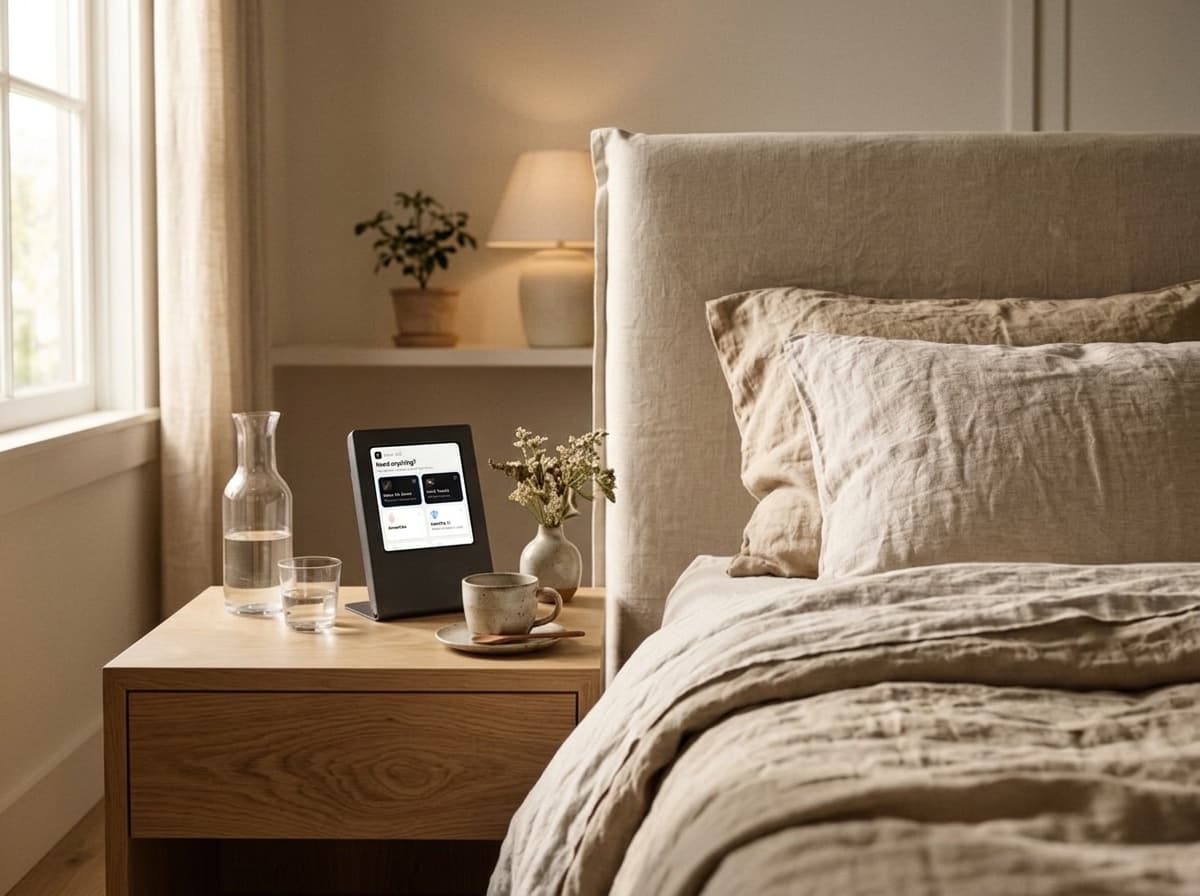
The option is the comfort
In experiments, simply having a way to act reduced stress — even when people never used it.
Control you never use still counts
Some of the most striking findings in psychology are about choices people never actually make.
1The button nobody pressed
Classic studyPeople exposed to stressful noise were given a button to stop it — and told not to press it. They still persisted longer at puzzles and proofread better than people with no button (Glass & Singer, 1972).
2Control shrinks discomfort
Less painThe same discomfort produced less helplessness, less unpleasantness and less pain when people could control it (Müller, 2012).
3Choice shapes service
More pleasantIn service settings, perceived control shapes how pleasant the experience feels — and having a choice is part of what creates it (Hui & Bateson, 1991).
Being able to voice an opinion raised people's sense of fairness whether or not the outcome went their way (Kanfer et al., 1987).
Letting hotel guests say what should be done about a problem raised fairness and satisfaction among 208 participants (Karande, Magnini & Tam, 2007).
What the guest feels at 10pm
The guest wants an extra pillow but isn't sure who to call or whether it's too late. They make do — and feel a little less looked after.
The guest can see exactly how to ask. Maybe they never do — but they know they could, and the room feels more like theirs.

A choice makes it yours
Guests randomly offered a choice of room felt more ownership of their stay and were more loyal (Yoon, 2025).
Every extra step loses some guests
If asking means phoning reception, walking to the desk or confronting someone, many guests won't bother. In call-centre research, high-effort experiences drove negative word of mouth for 81% of customers, against 1% after low-effort ones — a consultancy's data, not hotels, but it fits why guests say they stay silent.
Each step is a chance for the guest to decide it isn't worth it — and to carry the problem home instead.
When asking takes seconds, the small requests come in — and so do the problems you'd otherwise never hear about.
Choice matters inside the fix too: hotel guests who helped choose the remedy felt more in control and were more satisfied with it (O'Cass et al., 2026).
Digital where it helps, human where it matters
Most guests in recent surveys prefer messaging, and in South Africa WhatsApp is almost universal. But in one US survey a third of guests still preferred to walk up to staff, and two-thirds of over-55s would rather phone (ALICE/YouGov, 2019). The answer is both, not either.
- • Hiding how to ask in a binder
- • Apps guests have to download
- • Replacing people entirely with self-service
- • One channel for everyone
- • Make it obvious in every room how to ask
- • Use a channel guests already have — usually WhatsApp
- • Keep the phone and the friendly face
- • Offer a choice of fixes when things go wrong
of adults across 22 markets prefer messaging when contacting a business (Meta/Kantar, 2025 — South Africa not included).
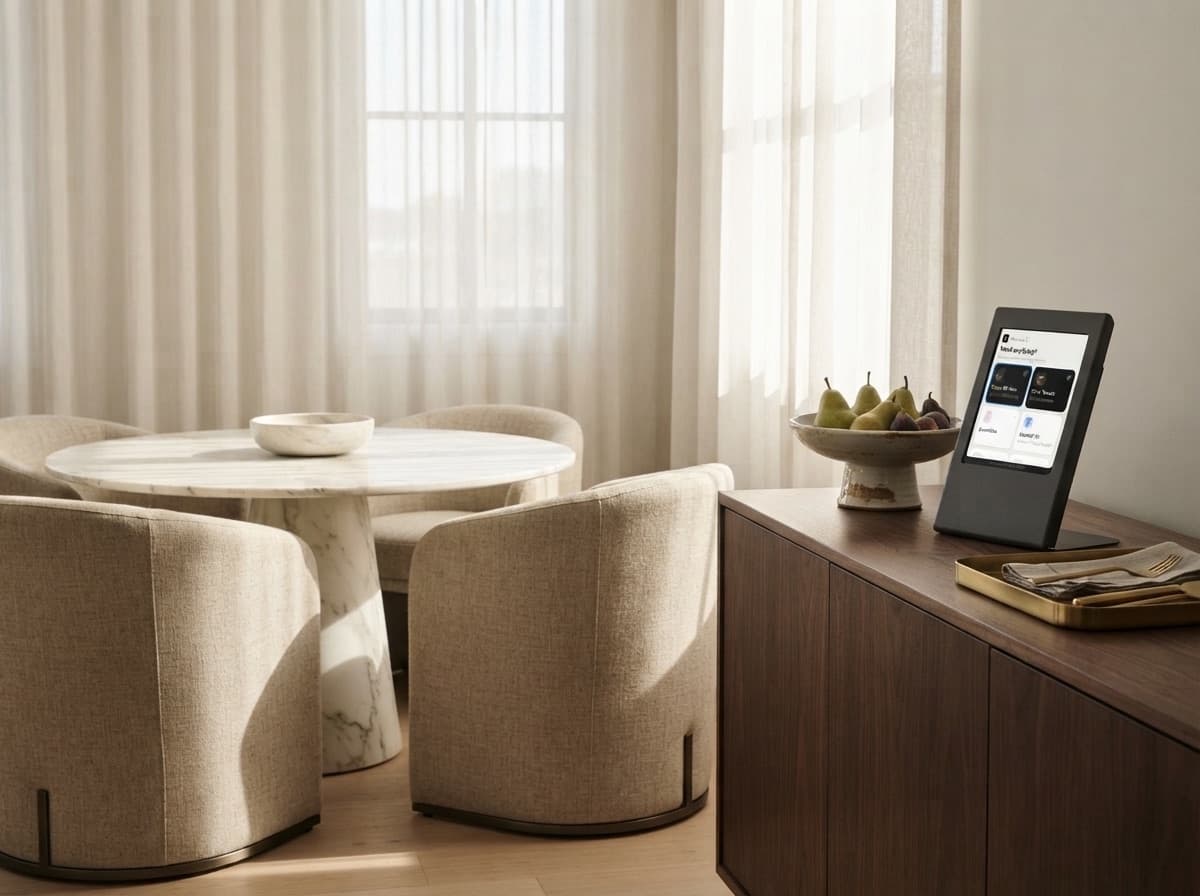
Hotel messaging works best for non-urgent requests, with people on hand for the rest (Kirillova, Lei & Wang, 2021).
What the research doesn't say
Where the evidence is weaker than a catchy headline would suggest.
Unused channels aren't tested in hotels
No hotel study shows a visible request channel raising satisfaction among guests who never use it. The idea rests on perceived-control research and the guarantee example.
Older, secondary evidence
The button experiment dates from 1972, and its details come from a later summary.
Effort data comes from call centres
The 9% vs 96% figures come from a consultancy studying service calls, not hotels.
Channel surveys aren't South African
The channel-preference figures are vendor surveys that didn't sample South African hotel guests. The WhatsApp figure is a share of active social-media users.
Self-service isn't automatically better
For hotel kiosks, ease of use didn't lift satisfaction while perceived risk mattered, and guests who want staff contact resist self-service.
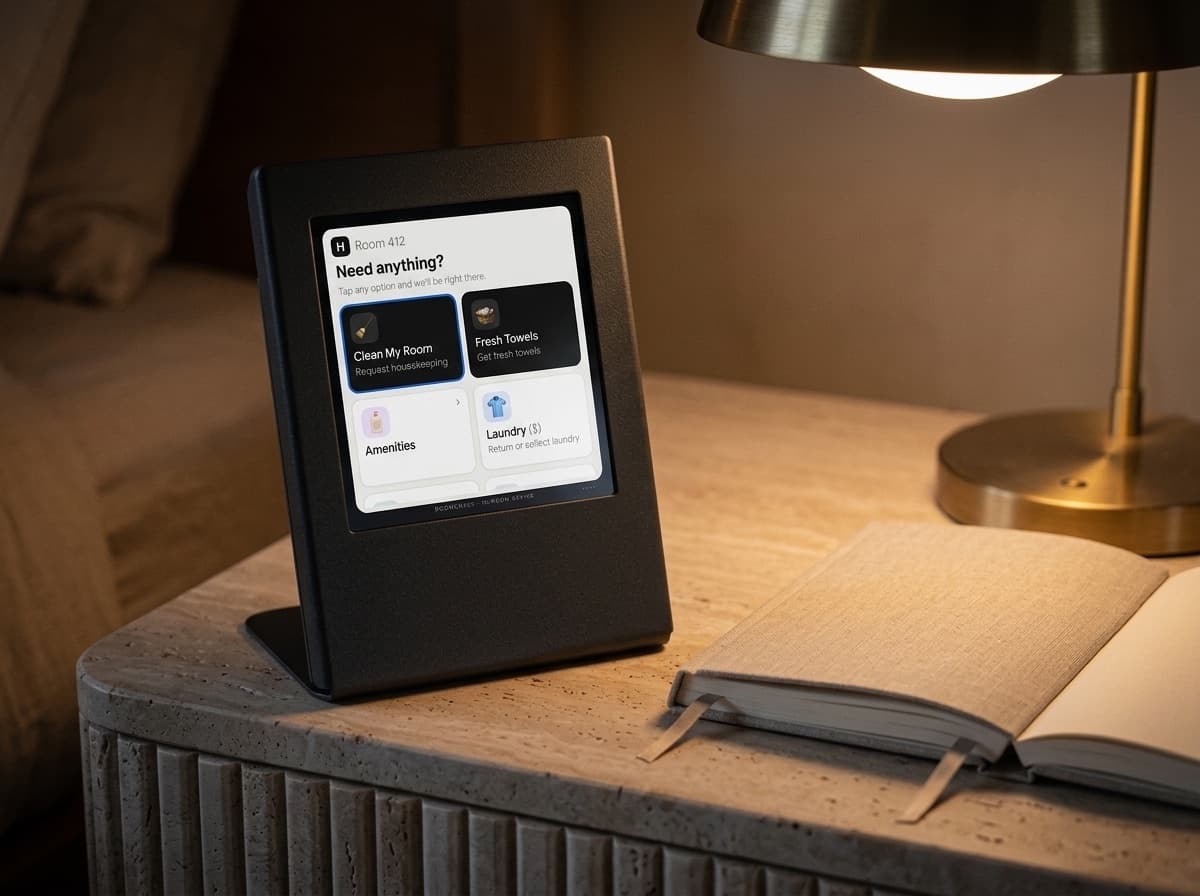
How RoomCheck helps
The research suggests every guest benefits from seeing an easy way to ask — and the guests who do have a problem need one that takes seconds, not a phone call.
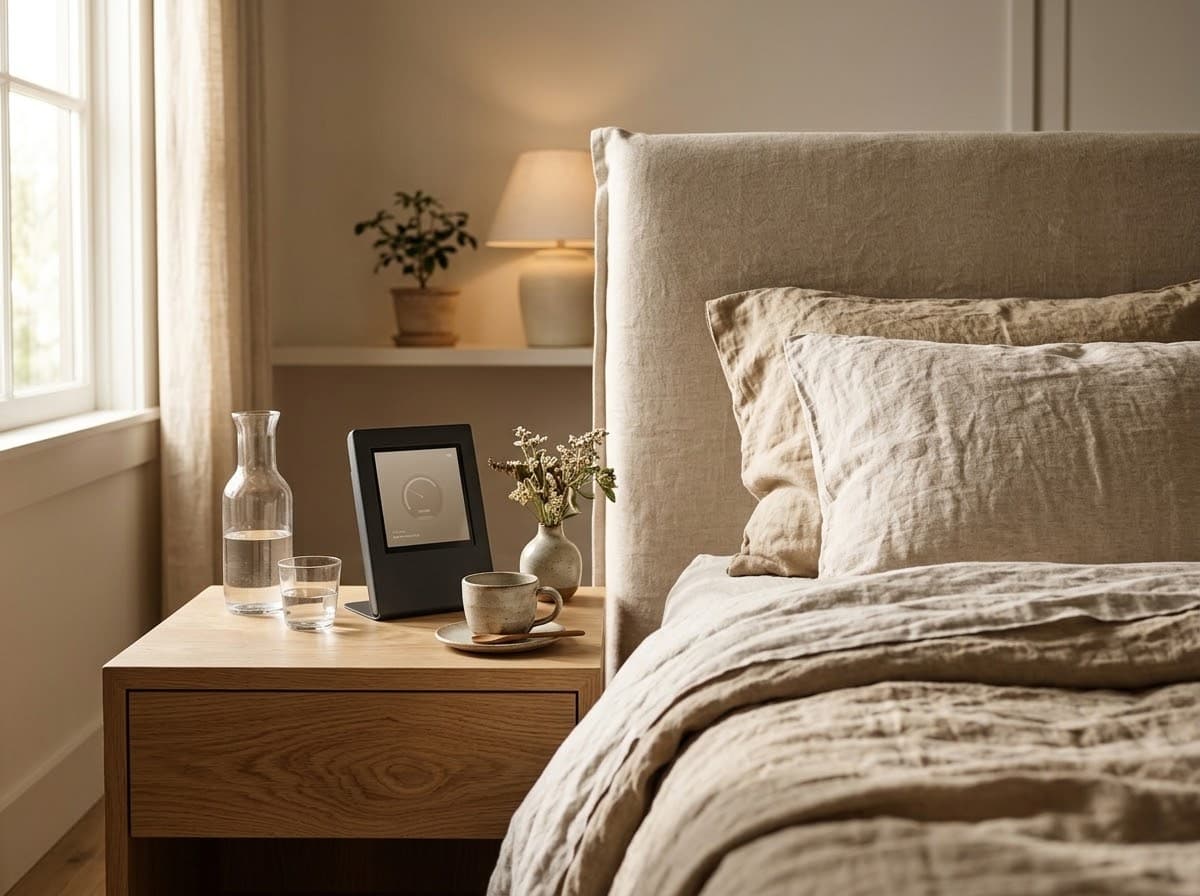
RoomCheck puts that option in every room: a dedicated device with no app, login or QR code, with requests that reach staff on WhatsApp. It's designed to sit alongside your team, not replace them — the guest who'd rather pick up the phone or chat at the desk still can.
- A visible way to ask, in every room
- Nothing for guests to download or sign up for
- Staff receive requests on WhatsApp
Industry research sources
Psychology & consumer research
• Hui & Bateson (1991). Perceived control and the effects of crowding and consumer choice on the service experience.
• Glass & Singer, summarised by Perlmuter & Monty (1972/1977). Perceived control and stressful noise.
• Langer & Rodin (1976). Choice and responsibility among nursing-home residents.
• Müller (2012). Controllability and the experience of discomfort, Journal of Behavioral Medicine.
• Kanfer et al. (1987). Voice and perceived fairness.
Hospitality research
• Chang, Purdue University (2004). Customer choice during service recovery.
• Karande, Magnini & Tam (2007). Guest voice in hotel service recovery.
• O'Cass et al. (2026). Guest co-creation of hotel service recovery.
• Yoon (2025). Let me show you your room: choice and guest ownership.
• Carlstead, University of San Diego (2004). Service guarantees and guest return intentions (dissertation).
• J.D. Power (2025). North America Hotel Guest Satisfaction Index Study.
• Kim & Qu (2014). Hotel self-service kiosks and satisfaction.
• Oh, Jeong & Baloglu (2013). Guest resistance to self-service technology.
• Kirillova, Lei & Wang (2021). Instant messaging apps in hotels.
Industry & vendor data
• Hilton (2014). Hampton celebrates 25 years of its 100% satisfaction guarantee.
• Hilton (2024). Hilton expands on-property messaging.
• CEB/Dixon (2016). The effortless experience.
• Zingle (2019). 45% of hotel guests prefer to report an issue via messaging.
• eviivo (2025). Traveller communication preferences survey.
• Touch Stay (2024). Holiday-rental guest communication study.
• Oracle/Skift (2022). Hospitality in 2025 consumer research study.
• ALICE/YouGov (2019). The most frustrating part of a hotel stay.
• Meta/Kantar (2025). State of business messaging.
• Meltwater/We Are Social (2025). Social media statistics for South Africa.
More from the research series
The second failure: why an unresolved problem hurts more than the problem itself
11%, 20% or 26%: how your response decides what a problem costs, and why a broken promise hurts more than the broken shower.

Your score is your shop window: how review scores drive revenue
What 0.3 points is worth to a 10-room guesthouse, how booking sites rank you, and why independents gain most from great reviews.
The 9 things that hurt guest satisfaction most
The nine biggest guest detractors ranked by damage, what goes wrong at budget vs luxury properties, and the South African evidence.
Ready to catch guest friction before it hits Booking.com?
Put a discreet RoomCheck device in every room. Keep communication warm, housekeeping accountable, and reviews immaculate.
- No long-term lock-ins
- 1-minute room setup
- One device per room
- Trusted by 500+ rooms live