The response can hurt more than the problem itself.
The same broken shower can cost you a little or a lot. What decides it is what happens after the guest tells you — and whether they're left wondering if anyone is coming.
of satisfaction was still lost when a reported problem was resolved.
J.D. Power, 2010was lost when a reported problem was never resolved.
J.D. Power, 2010was lost when the problem was handled badly — worse than not trying at all.
J.D. Power, 2010resolution attempts left guests disappointed or indifferent (50% and 23%).
J.D. Power, 2010
Every request needs an owner
A guest left unsure whether anyone is coming experiences a second failure on top of the first.
The response decides the cost
J.D. Power's European study of 14,400+ guests gives one of the clearest pictures of what happens after a guest reports a problem. Measured against a problem-free stay:
1Reported and resolved
≈11% lost86 points below a problem-free stay. Fixing it doesn't erase it — but it limits the damage.
2Reported, never resolved
≈20% lost150 points below. The guest spoke up, nothing happened, and they noticed.
3Handled badly
≈26% lostNearly 200 points below — a score of 561. A poor attempt did more harm than no attempt at all.
Only 12% of stays had a problem in 2025, but those guests rated their stay about a third lower than problem-free guests (J.D. Power, 2025).
Only 35% of reported noise problems and 39% of reported Wi-Fi problems were fixed (J.D. Power, 2011).
When the fix becomes the problem
Nobody comes. The guest calls again and gets someone who knows nothing about it. The broken shower is now the smaller complaint.
The request has a name against it. It's fixed, and someone checks back: "Is the shower working now?" The guest feels heard, even though something went wrong.
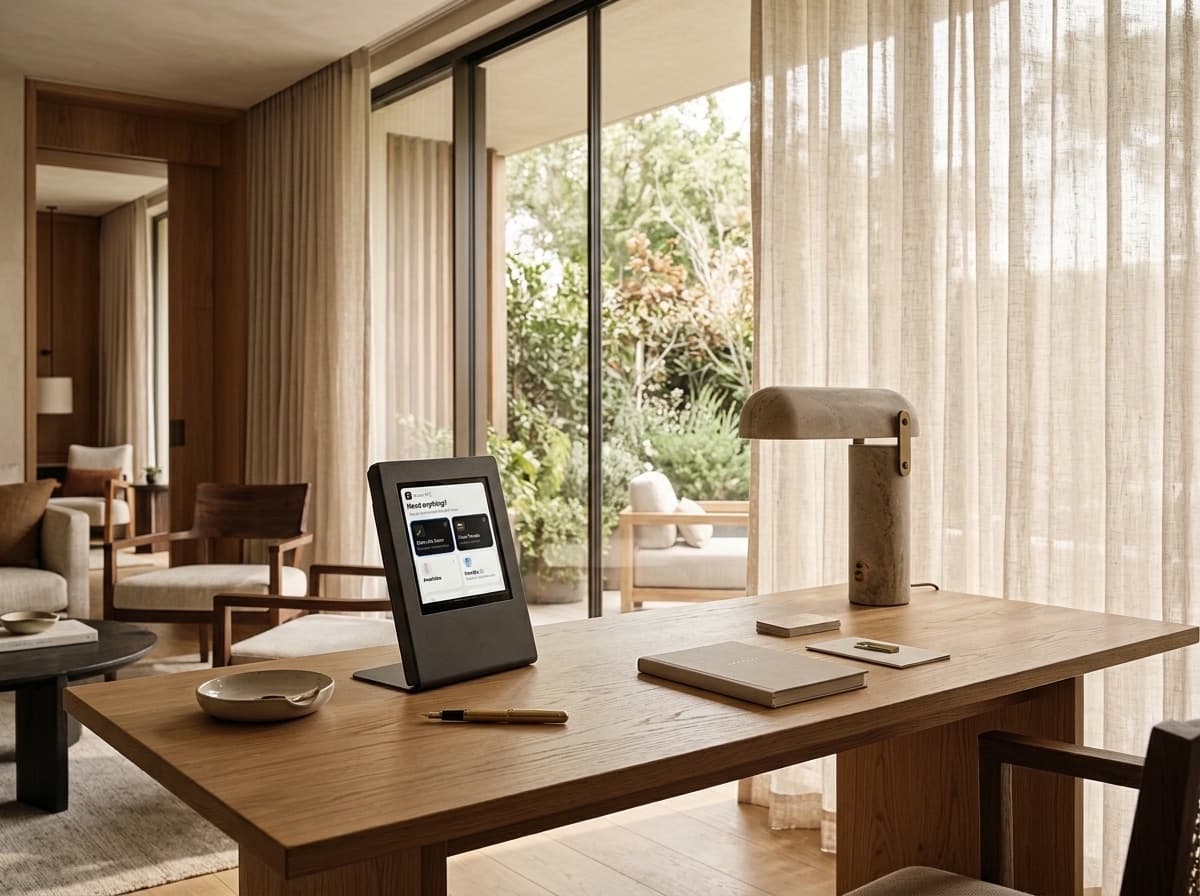
A free drink without an apology does little
Compensation didn't make up for a slow recovery unless it came with a genuine apology (Wirtz & Mattila, 2004).
How guests are treated matters as much as the fix
J.D. Power describes good resolution as listening, empathy, accepting the concern as valid, committing to a fix and following through, a genuine apology and prompt action. Miss those, and the guest experiences a second failure on top of the first.
A second failure pushed hotel guests toward betrayal and even a desire for retaliation (Lee et al., 2021) — and failed recoveries produce more negative word of mouth than the original problem (Tran et al., 2021).
Loyalty after a complaint depended slightly more on how customers were treated than on what they received (Gelbrich & Roschk, 2011).
Across 60 studies, satisfaction with how a complaint was handled drove what customers told others (Orsingher et al., 2010).
Close every loop
Most of what makes a resolution go badly is avoidable: nobody owning the request, nobody following up, and promises nobody checked could be kept.
- • Requests passed on verbally between shifts
- • "Someone will be up shortly" with no follow-through
- • Compensation instead of an apology
- • Promising times you can't keep
- • Acknowledge immediately and say when
- • Give every request a named owner
- • Check with the guest that it's fixed
- • Apologise genuinely before offering anything else
lower satisfaction for guests whose stay had a problem in 2025 — 460 against 677 for problem-free stays (J.D. Power, 2025).
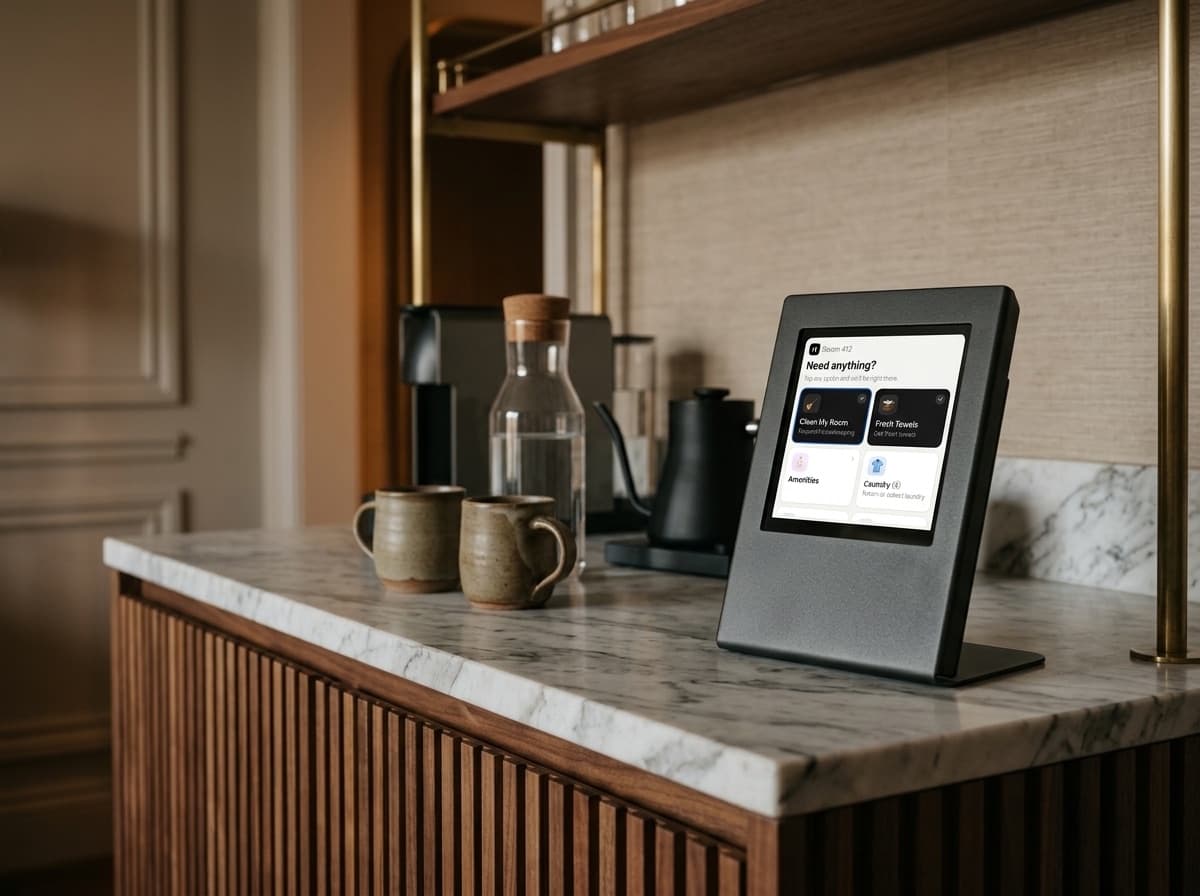
The handover is where a promise made at 9pm becomes nobody's job at 11pm.
What the research doesn't say
Where the evidence is weaker than a catchy headline would suggest.
The breakdown is from 2010
The detailed resolution figures come from a 2010 European study. J.D. Power hasn't published a resolution breakdown since.
Compare percentages, not points
J.D. Power changed its scale around 2022, so the 2010 and 2025 point figures aren't directly comparable.
"A quarter" means handled badly
About a quarter of satisfaction is lost when a problem is handled poorly. Problems simply left unresolved cost about a fifth.
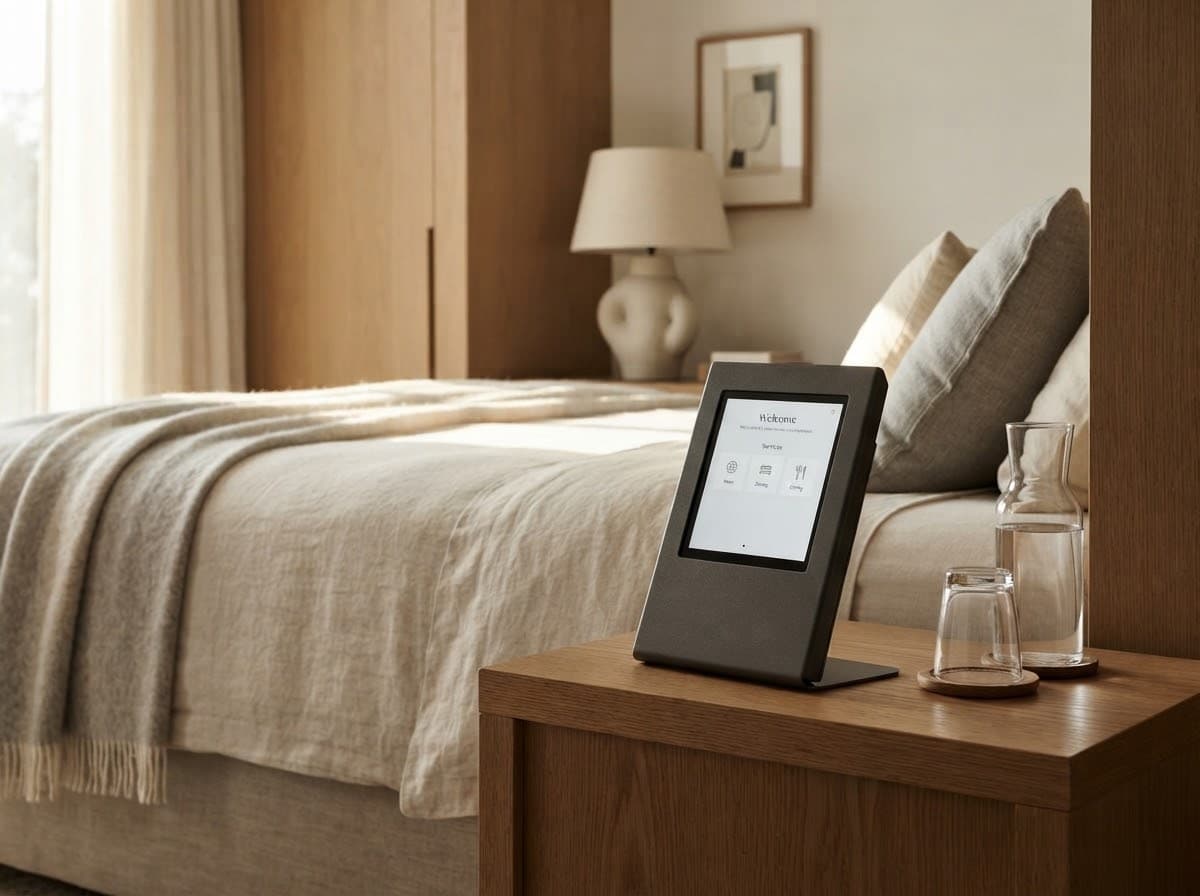
How RoomCheck helps
The research is clear that the second failure — the forgotten request, the broken promise — does more damage than most original problems. Preventing it is mostly about ownership and follow-through.
RoomCheck gives every guest request an owner and a status, so nothing depends on a note at the front desk or a message passed between shifts. The guest sees their request has been received, and requests that run long are escalated — which removes the uncertainty that makes a problem feel unresolved.
- Every request has an owner and a status
- Nothing lost between shifts
- Late requests escalate automatically
Industry research sources
J.D. Power studies
• J.D. Power (2010). European hotel guest satisfaction study: problems and resolution.
• J.D. Power (2011). North America hotel guest satisfaction study: noise and problem reporting.
• J.D. Power (2025). North America Hotel Guest Satisfaction Index Study.
Academic research
• Tran et al. (2021). Failed service recovery and online word of mouth.
• Lee et al. (2021). Does love become hate or forgiveness after a double deviation?.
• Orsingher et al. (2010). Complaint handling satisfaction: a meta-analysis of 60 studies.
Complaint handling
• Gelbrich & Roschk (2011). Complaint handling and post-complaint loyalty: a meta-analysis.
• Wirtz & Mattila (2004). Recovery speed, apology and compensation.
More from the research series

Your score is your shop window: how review scores drive revenue
What 0.3 points is worth to a 10-room guesthouse, how booking sites rank you, and why independents gain most from great reviews.

The 9 things that hurt guest satisfaction most
The nine biggest guest detractors ranked by damage, what goes wrong at budget vs luxury properties, and the South African evidence.

Warmth beats freebies: what really makes guests feel special
What really delights guests in their own words, why arrival shapes the whole stay, and what B&B guests write about most.
Ready to catch guest friction before it hits Booking.com?
Put a discreet RoomCheck device in every room. Keep communication warm, housekeeping accountable, and reviews immaculate.
- No long-term lock-ins
- 1-minute room setup
- One device per room
- Trusted by 500+ rooms live