Most unhappy guests never say a word.
They don't call reception. They check out politely — and then tell Booking.com. Why guests stay silent, why it's so predictable, and how to make speaking up easy.
of guests bothered by noise never told the staff about it.
J.D. Power, 2011of noise problems were actually resolved — even when guests did report them.
J.D. Power, 2011lower satisfaction (out of 1,000) for guests who had a problem during their stay.
J.D. Power, 2011travellers always or often read reviews before booking — about nine reviews each.
Tripadvisor/Ipsos, 2019 · commissioned
Silence isn't satisfaction
A polite goodbye at the desk can hide a problem that surfaces in a review a few days later.
Why problems never reach the front desk
Most guest research counts the problems people report. The more revealing question is what happens to the ones they don't.
1Awkward problems go unsaid
57% silentNoise was the most common problem in J.D. Power's 2011 study — 16% of guests ran into it — and the least reported. It's hard to complain about the people next door without feeling like the difficult one.
2Reporting depends on the problem
60% report Wi-FiGuests reported Wi-Fi problems 60% of the time. A broken router feels like a fair complaint; noise feels personal. The less confrontational a problem is to raise, the more often you'll hear about it.
3Reporting isn't fixing
35% resolvedEven reported problems often stayed broken: only 35% of noise complaints and 39% of Wi-Fi complaints were resolved. Every unresolved report teaches a guest that speaking up doesn't help.
Of UK holidaymakers who had a problem, 58% never complained — 30% said it was too much effort and 11% didn't know who to tell (YouGov for Resolver, a complaints service).
Asian hotel guests were less likely than Western guests to complain directly, partly to avoid loss of face, and more likely to share it privately afterwards (Ngai et al., 2007).
Where the complaint ends up
The room next door is loud. Calling reception feels like a fuss, so the guest lies awake, checks out politely and mentions the noise in their review.
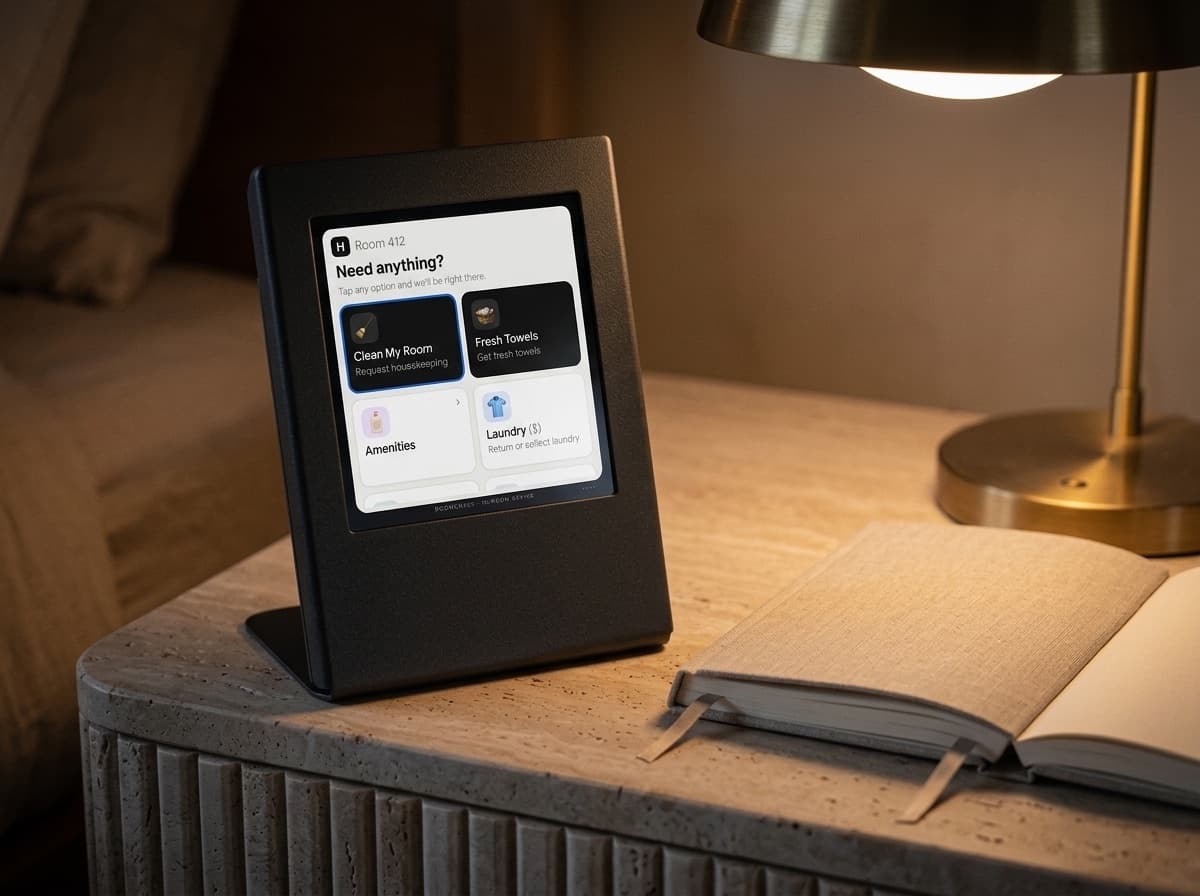
The guest sends a quick message instead. Someone has a word next door or offers another room. The night is saved — and so is the review.
Polite on site, critical online
Researchers in fine dining found a group of customers who never complain in person but spread negative word of mouth afterwards (Khalilzadeh et al., 2017). Hotels have them too.
Effort, awkwardness and doubt
The reasons are remarkably consistent: complaining takes effort, it feels confrontational, guests don't know who to tell, or they doubt anything will change. A survey of 1,100+ guests by Zingle, a guest-messaging company, found the same two reasons at the top — no easy way to report, and a dislike of confrontation.
With no easy outlet, the frustration leaves with the guest. The first time you hear about it is in public, where future guests read it too.
When reporting feels effortless and private, more problems surface while there's still time to fix them.
86% of guests who had a problem said they were extremely likely to post about it on social media (J.D. Power, 2017) — an intention rather than a count, but a clear warning.
Make speaking up feel easy
You can't fix what you never hear about. Researchers who studied 822 online hotel complaints put it plainly: don't assume guests are satisfied just because they haven't complained (Au & Law, 2015).
- • Only offering the phone or front desk
- • Defensive reactions to feedback
- • Waiting until checkout to ask
- • Reading reviews only for the score
- • Make reporting effortless and private
- • Check in with a short message on the first evening
- • Thank guests for raising issues
- • Read negative reviews for problems nobody reported
of hotel guests in Zingle's survey would rather report an issue by message than by phone, email or in person (vendor, 2019).

Properties with many international guests — think Cape Town and the Winelands — should assume more problems go unspoken.
What the research doesn't say
Where the evidence is weaker than a catchy headline would suggest.
57% is about noise
The figure comes from a 2011 North American study and applies to noise. It doesn't mean 57% of all problems go unreported.
A vendor survey, read for the reasons
Zingle's survey is most useful for why guests stay quiet — no easy way to report, and dislike of confrontation — rather than for its exact percentages.
An intention, not a count
86% of guests with a problem said they were extremely likely to post on social media. That's what they intended, not proof that they all did.
Older research isn't hotel-specific
Studies often cited as showing that two-thirds of unhappy customers never complain date from the 1980s and cover customers in general.
How RoomCheck helps
The research keeps finding the same two barriers to speaking up: effort and confrontation. Lower them, and more problems reach someone who can fix them.
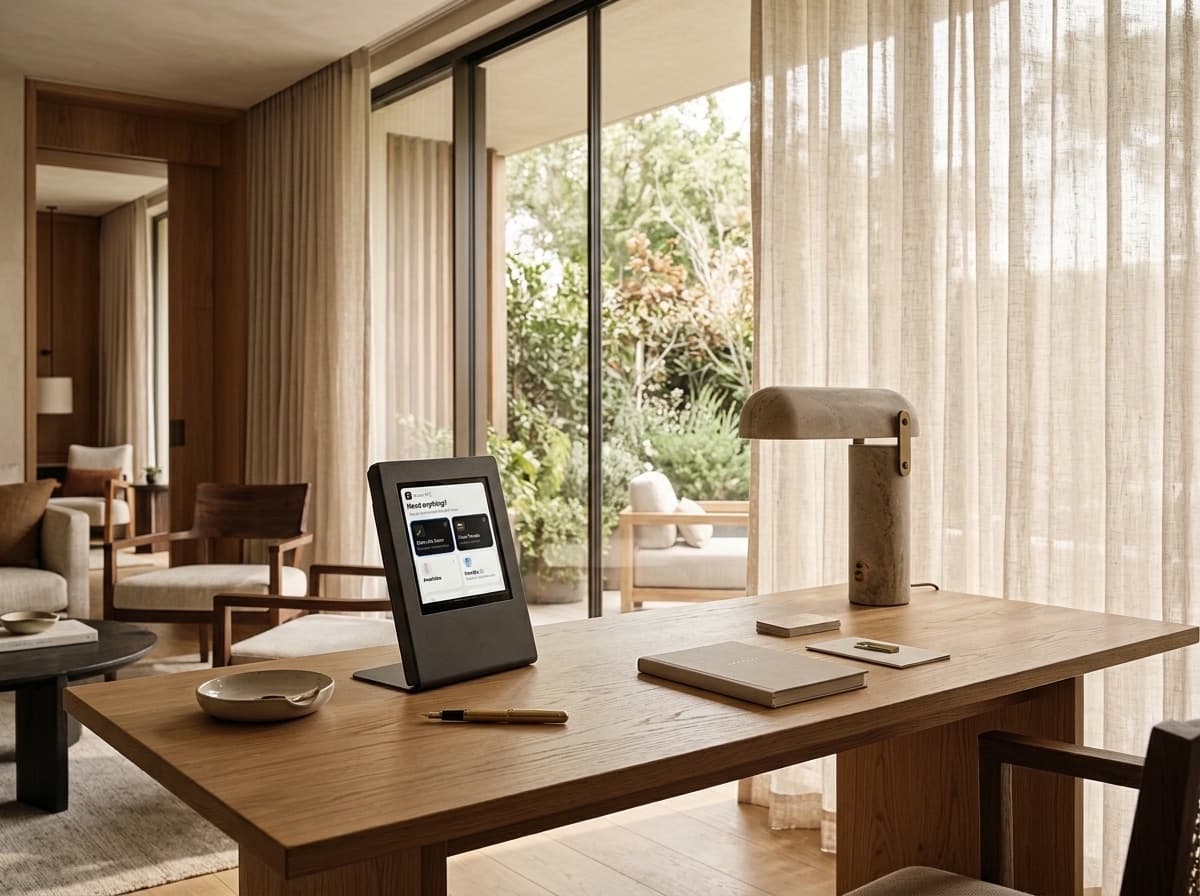
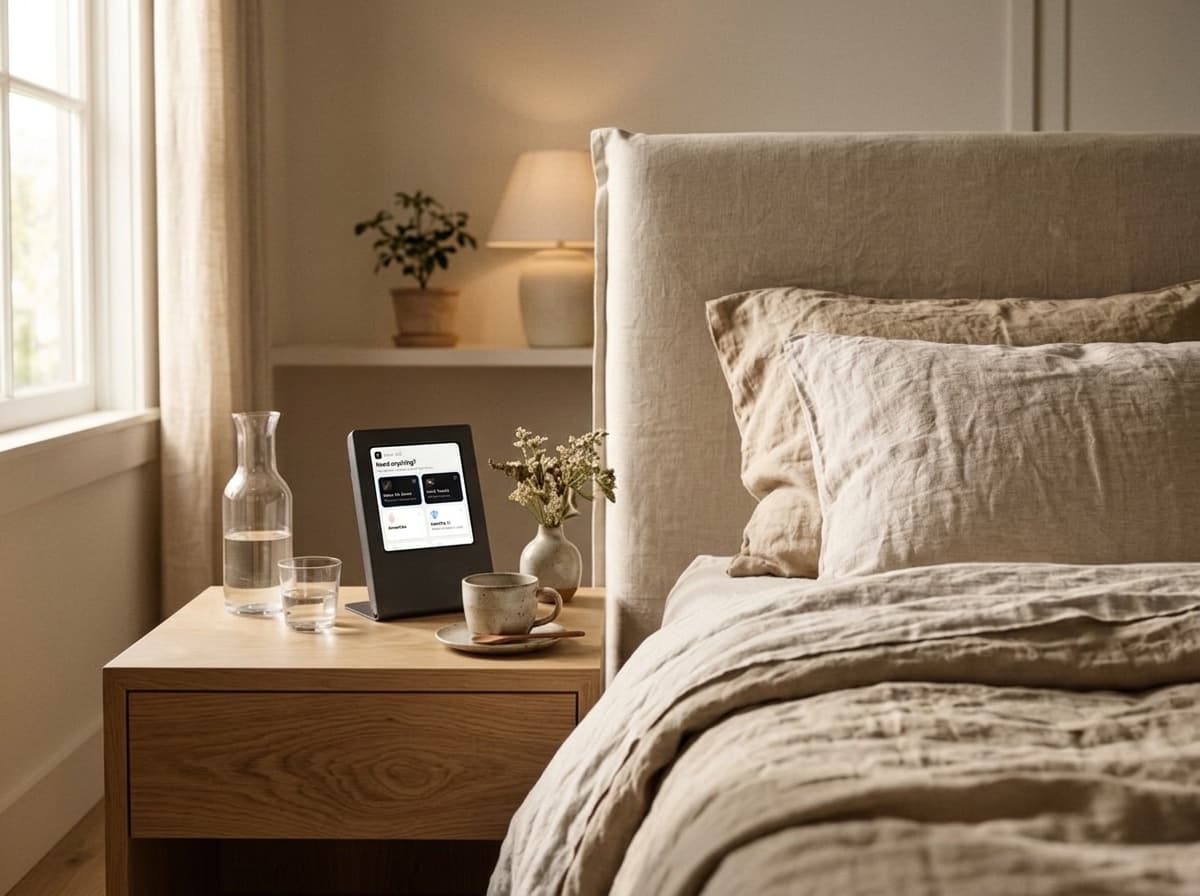
RoomCheck is built around exactly that. A device in the room lets a guest flag a problem in a couple of taps — no phone call, no walk to reception, no awkward conversation — and the request goes straight to the staff member who can deal with it.
- No app, login or QR code for guests
- Private, low-effort reporting from the room
- Requests reach the right team on WhatsApp
Industry research sources
J.D. Power studies
• J.D. Power (2011). North America hotel guest satisfaction study: noise and problem reporting.
• J.D. Power (2017). North America Hotel Guest Satisfaction Index Study.
Academic research
• Ngai et al. (2007). Consumer complaint behaviour of Asians and non-Asians about hotel services.
• Au & Law, PolyU (2015). Understanding online hotel complaints in mainland China.
• Khalilzadeh et al. (2017). "Silent killers" in fine-dining complaint behaviour.
• Kwok (2021). Doctoral thesis reviewing complaint behaviour research.
Industry & vendor data
• Zingle (2019). 45% of hotel guests prefer to report an issue via messaging.
• YouGov for Resolver (undated). UK holiday complaints survey.
• Tripadvisor/Ipsos (2019). Online reviews remain a trusted source when booking trips.
More from the research series
The 12-minute window: how a fast, personal response wins guests back
How long guests wait before frustration sets in, why acknowledging a request matters as much as fixing it, and what to say first.
The button you never press: why feeling able to ask matters
Why knowing you can ask makes guests feel better, the effort barrier behind silent complaints, and how guests prefer to reach you.

The second failure: why an unresolved problem hurts more than the problem itself
11%, 20% or 26%: how your response decides what a problem costs, and why a broken promise hurts more than the broken shower.
Ready to catch guest friction before it hits Booking.com?
Put a discreet RoomCheck device in every room. Keep communication warm, housekeeping accountable, and reviews immaculate.
- No long-term lock-ins
- 1-minute room setup
- One device per room
- Trusted by 500+ rooms live